by Adayé Sosthène Yvan N'guettia | 2 Nov 2020 | Africa, African Leadership Academy, Contest winners, Educators' Catalog, Government, Student Posts, Youth Voices
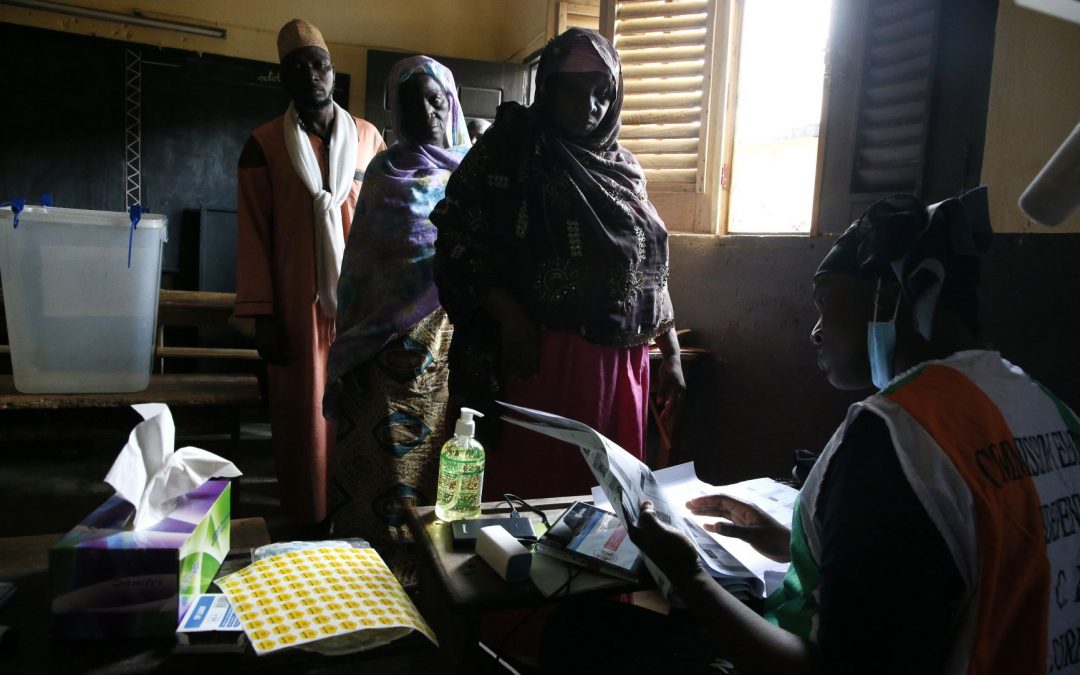
For years, Ivory Coast has been split politically and at times torn by outbursts of violence. Youth are working for peace in the West African nation. Voters at a polling station during the first round of Côte d’Ivoire’s presidential election in Abidjan, 31...
Ivory Coast has a complex political story, but Adayé Sosthène Yvan N’guettia keeps it simple in his story about youth working for peace in the West African nation. Many young people are upset over the state of the world that they will inherit, but N’guettia shows initiative by interviewing three activists toiling for change in Côte d’Ivoire. He listens and offers telling quotes, using a deft hand to drive home his message. Growing up is about discovering the world, and some students — N’guettia among them — see the challenge as a learning adventure. Ask your class to read N’guettia’s story, interview three activists and, using the activists’ words, summarize what they’ve learned.
by Tendayi Chirawu | 23 Oct 2020 | Africa, African Leadership Academy, Future of Democracy, Politics, The Kids Are Alright, Youth Voices
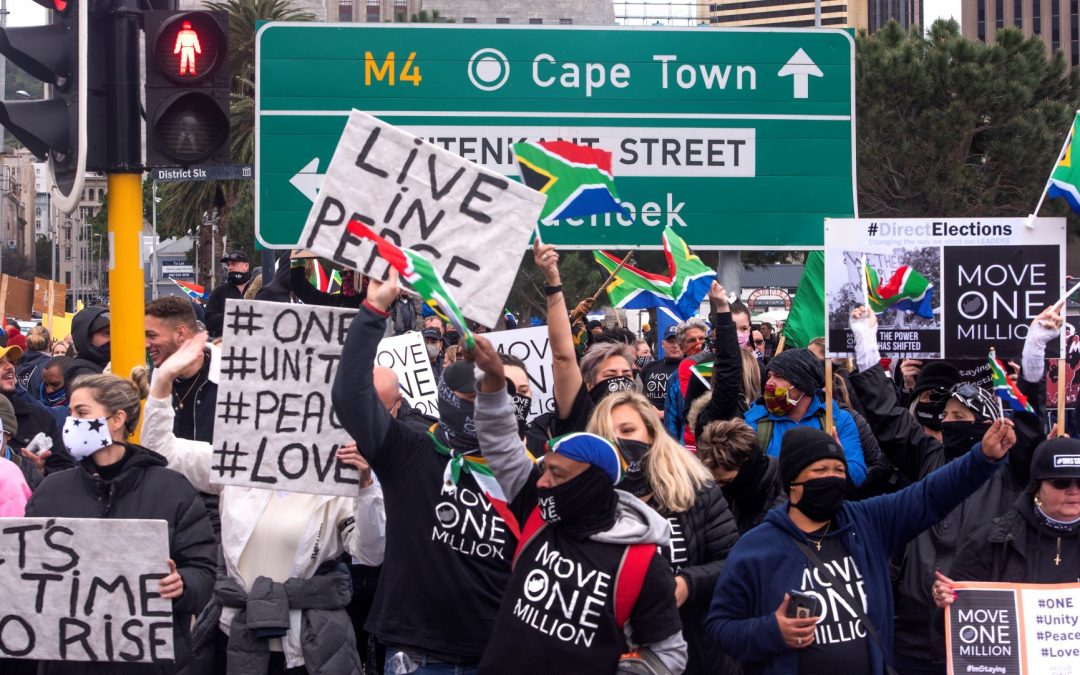
Two savvy Africans urge frustrated youth activists to drive political change by holding officials to their word and harnessing innovative ideas and words. Are you a young person yearning for change and a better world? Do you feel that global leaders are not listening...
by Alan Wheatley | 19 Oct 2020 | Decoders, Donald Trump, Economy, Educators' Catalog, Joe Biden, World
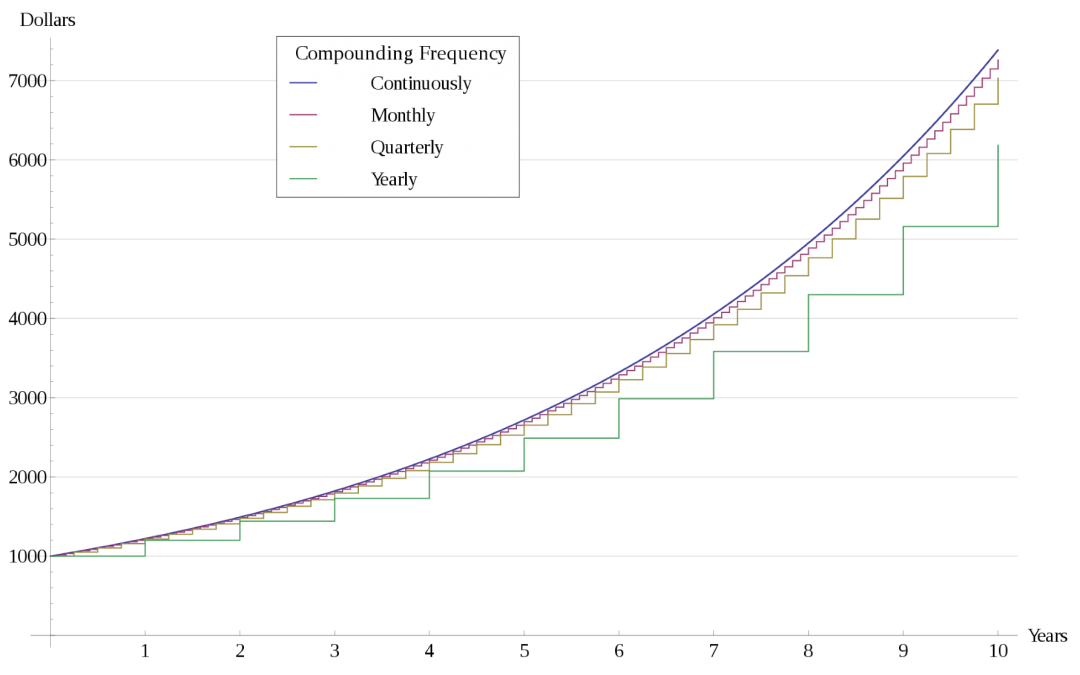
On any day, the stock market can go up or down. But in the long run, a young person cannot afford to ignore the chance to invest in company shares. The effect of compound interest, with an initial investment of $1,000 and 20% annual interest, compounded at various...
Alan Wheatley’s article on stock markets touches on concepts of tremendous long-term importance to young people, such as compounded interest and interest rates. Wheatley has decades of experience covering international finance, and it shows as he connects investing fundamentals with economic growth and the current U.S. political situation. The article finishes with questions that can be taken up in a wide range of classrooms: Who would be better for stock markets — Trump or Biden? If you have $1,000, should you spend or save it? And why is Wall Street near a record high during the coronavirus pandemic? With Wheatley explaining matters, there’s no reason why economics should be “the dismal science”!

by Susanne Courtney | 15 Oct 2020 | Africa, Health and Wellness, Technology, World
A Canadian tech firm and foundation have teamed up with an NGO in Rwanda to offer a chatbot that answers young people’s questions about sex. Screenshots of a smartphone with the IrindeBot chatbot (photo courtesy of Rival Technologies Inc) Talking about sex is...
by Bernd Debusmann | 14 Oct 2020 | Americas, Decoders, Donald Trump, Educators' Catalog, Future of Democracy, Government, Joe Biden, Politics, World
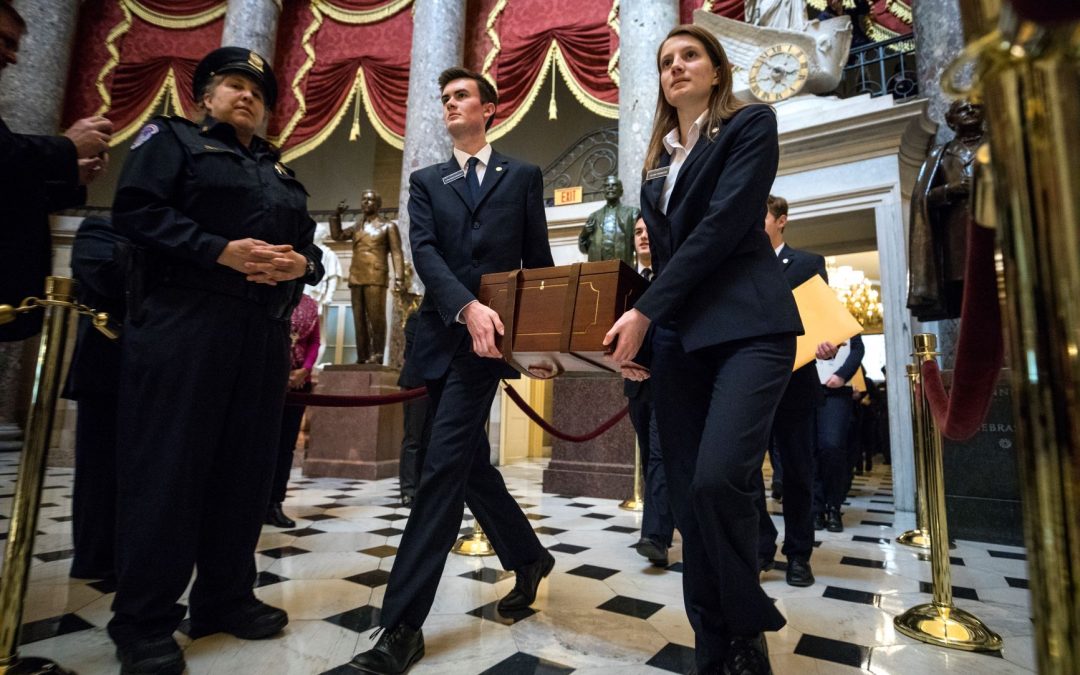
A candidate can win the U.S. presidency without winning the most votes. Americans don’t like the Electoral College, but it seems here to stay. Senate pages carry presidential electoral ballots to a joint session of Congress, Washington, DC, 6 January 2017....
To understand our world of today, students need to know where we came from. But history in a vacuum can be a turnoff if it’s not connected to current events. Bernd Debusmann’s decoder offers a historical look at the curious institution of the U.S. Electoral College, while connecting the dots to today’s political events in that country. The article links to documents that open the door to further study and poses three questions at the end that are fodder for classroom discussion.
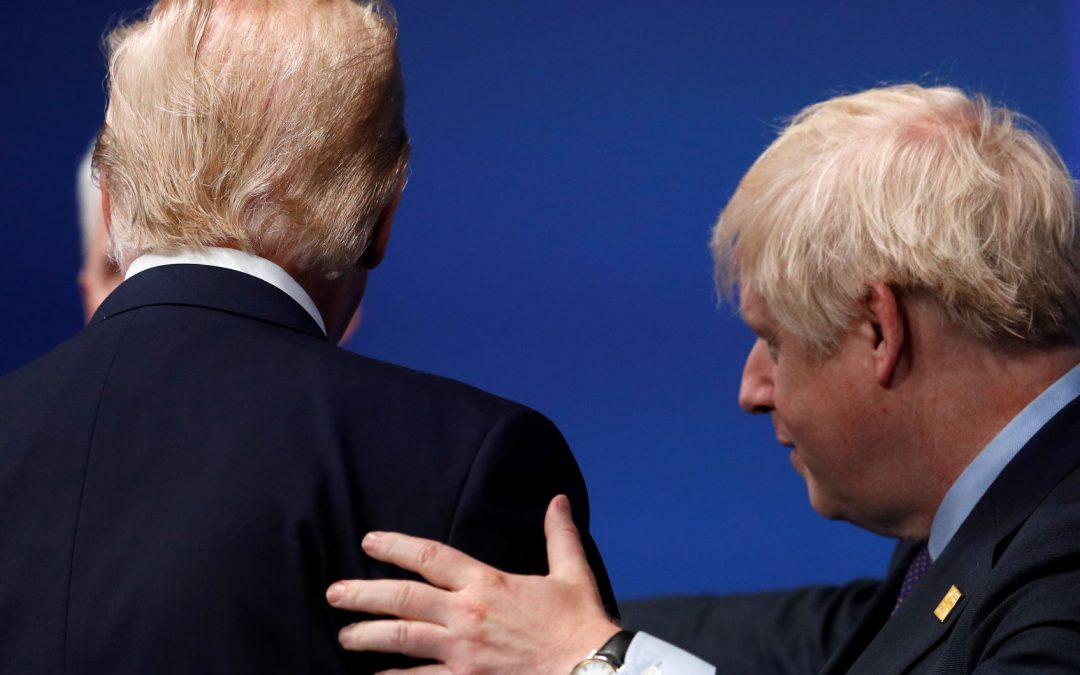
by Alexander Nicoll | 12 Oct 2020 | Americas, Donald Trump, Europe, Government, Immigration, Nationalism, Politics, World
Donald Trump and Boris Johnson won power as populists, backed by angry voters. Now COVID-19 is exposing their shortcomings in the U.S. and UK. British Prime Minister Boris Johnson (R) and U.S. President Donald J. Trump (L) in London, 4 December 2019 (EPA-EFE/PETER...
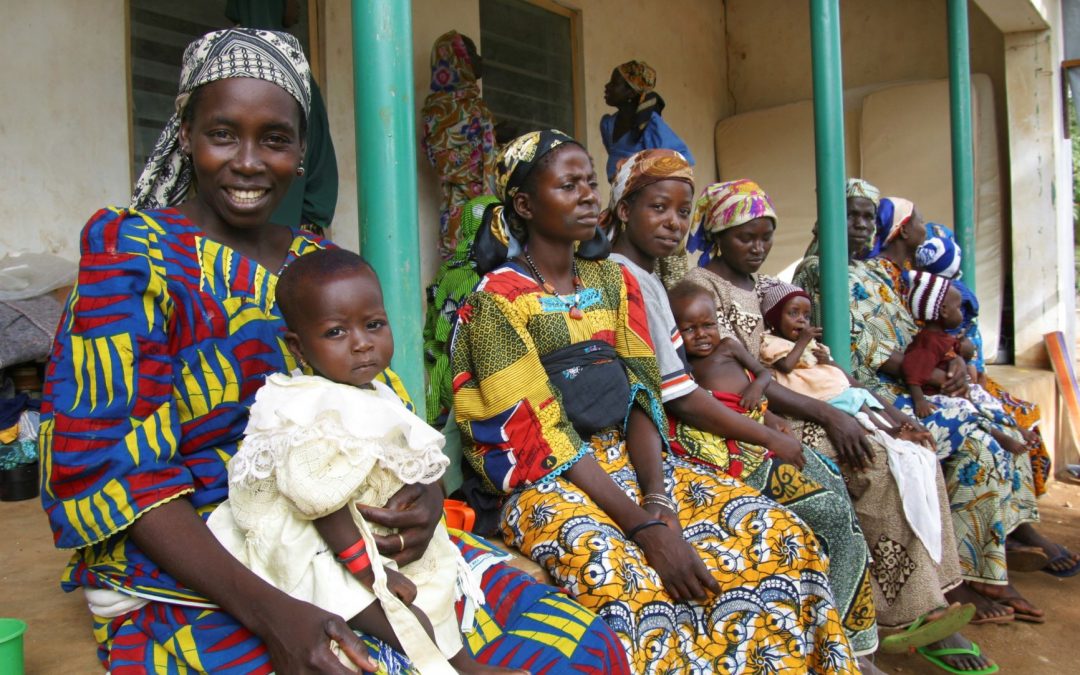
by Gia Gambino | 9 Oct 2020 | Africa, Contest winners, Health and Wellness, Hewitt, Youth Voices
Oil-rich Nigeria is Africa’s biggest economy but spends little on healthcare, with dire consequences for its teeming population. Its census could help. A health clinic in Nigeria in 2008 (Ton Koene / VWPics via AP Images) This story won second prize in News...

by Tendayi Chirawu | 30 Sep 2020 | Chadwick School, Health and Wellness, The Kids Are Alright, United States
Black Americans are dying at a higher rate from COVID-19 than whites. “The Kids Are Alright” podcast looks at the disparities in mortality. “COVID-19 doesn’t discriminate, but it is infecting a society that does.” So states Sage...
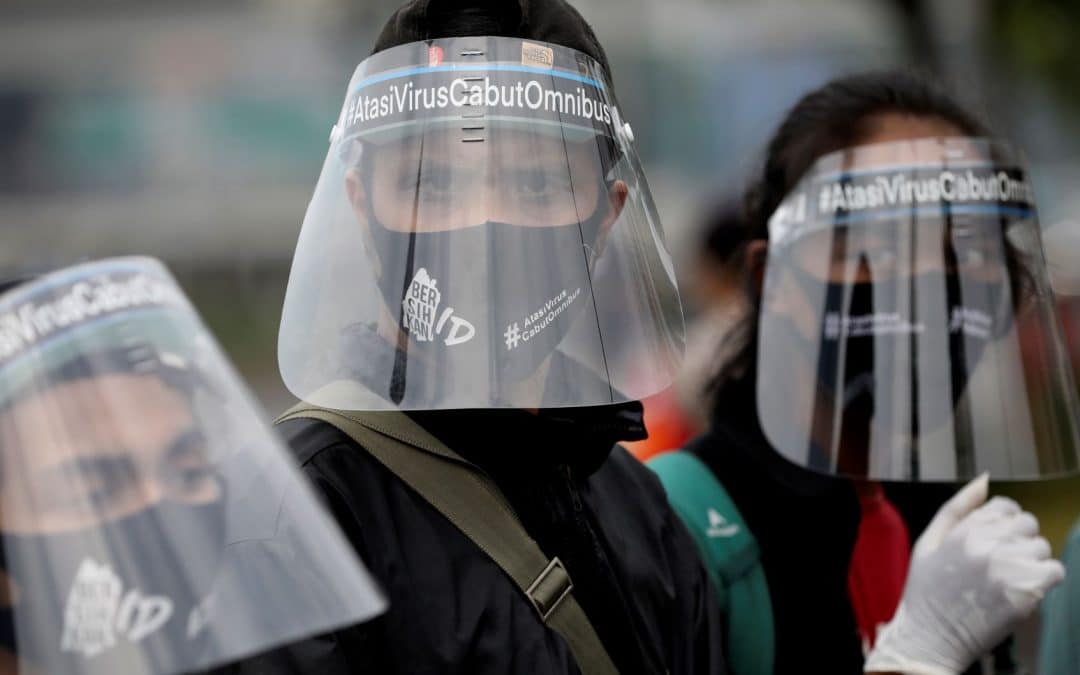
by Jonathan Thatcher | 28 Sep 2020 | Asia, Environment, Health and Wellness
COVID-19 has slashed incomes in Indonesia, spurring illegal logging, poaching and mining. The environment and wildlife habitats are taking a hit. Activists protest against a government bill they say would harm the environment, Jakarta, Indonesia, 14 July 2020. (AP...
by Jim Wolf | 23 Sep 2020 | China, Conflict, Decoders, Donald Trump, Educators' Catalog, United States, World
They are the world’s two most powerful economies, deeply interlocked. But China and the U.S. are increasingly at odds — with vast implications. A Taiwanese Air Force fighter in the foreground flies on the flank of a Chinese bomber as they pass near Taiwan, 10...
The relationship between China and the United States will have a profound impact on the lives of today’s students. In his examination of the bilateral relationship, Jim Wolf reviews the fraught history between China and the West, and looks at the two nations’ current leaders and how their agendas are radically at odds. Wolf eschews the bias that can creep into reporting on China by Western correspondents. This tour d’horizon offers students a starting point for deeper examination of the forces — economic, military, geographic, political — that will shape the world they will inherit.
